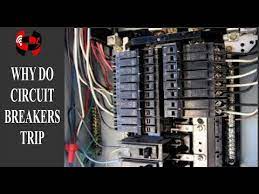
WHY DO YOUR CIRCUIT BREAKERS TRIP
A circuit breaker (CB) is an electrical safety device designed to protect an electric circuit from damage caused by either an over-current or short circuit. It’s basic function is to interrupt current flow in order to protect equipment and prevent the risk of a fire outbreak.
In residential buildings, circuit breakers are normally found on Distribution Boards (DB) and the properly descriptive labeling on the DB will enable one identify the particular circuit breaker that has tripped off.
So What Causes the CB to Trip?
A circuit breaker will usually trip when there is an electrical fault that could cause damage to the circuit it is meant to protect. This is usually an excess of current, a power surge or a faulty component. These can be divided into
1. Overloads
2. Short Circuits
3. Ground Fault Surges.
Overloads
Overloads are common reasons why circuit breakers keep tripping, this happens when you put a greater electrical demand on a particular circuit than it is capable of producing. The excess demand will cause the circuit to overheat which will then put at risk all the electrical appliances that are connected to that circuit. That means if your load is drawing about 15A of current and your circuit is designed to only carry 10A it will be overloaded, the CB will trip so that the wires do not heat up excessively and lead to fire outbreak. In this case, you will need to redistribute your loads across different circuits or upgrade the system, this is why a comprehensive electrical design and drawing is always encouraged for any installation.
Short Circuit
This is also a common reason why circuit breaker trips and they are more dangerous. It happens when there is a fault as a result of the live wire coming in contact with the neutral, it can also happen if there is a loose connection or fault in the wiring of the appliance. If this occurs, the normal electrical resistance will be overridden and a lot of current will suddenly flow through the circuit thereby creating too much heat in the circuit and the breaker will trip to shut off the circuit and prevent fire outbreak.
Ground Fault Surges
This fault behaves almost similar as the short circuit but in this case, it involves a live wire touching a bare copper ground wire or part of a metal outlet box to which the ground wire is connected, this will cause an excessive flow of current leading to the tripping of the breaker.
Other causes of the tripping of the breaker are:
- Older Circuit Breaker: Breakers can become more sensitive as they age, an overly sensitive Circuit Breaker can trip even when the wires are not overloaded with too much amperage.
- Loose or Corroded Connection: A loose connection on the circuit breaker can cause it to trip prematurely because heat builds up at the loose connection because tiny sparks form between the surfaces of the loose connection and this could lead to the intermittent tripping of the circuit breaker.
- Arc Fault: This is a fault arising from power fluctuations due to sparking that occurs between contact points in a wiring connection. This may occur as a result of loose screw terminal connections in a switch or outlet, this type of fault is protected using a special type of breaker called the Arc fault circuit interrupter (AFCI)
These problems could be very annoying and quite dangerous, therefore if your circuit breaker are tripping quite frequently, instead of putting your building at the risks of fire outbreak, it is advisable you seek the services of a profession Electrical Engineer or a qualified Electrician.
Darlington Okoka
(+234) 803-9233-787
Twitter: @darlookoka


temp mail
I may like your website; however, I would like to bring your attention to the spelling errors present in several of your posts. While I find it extremely difficult to convey the truth, I will surely revisit your site.